14 Jun 2026
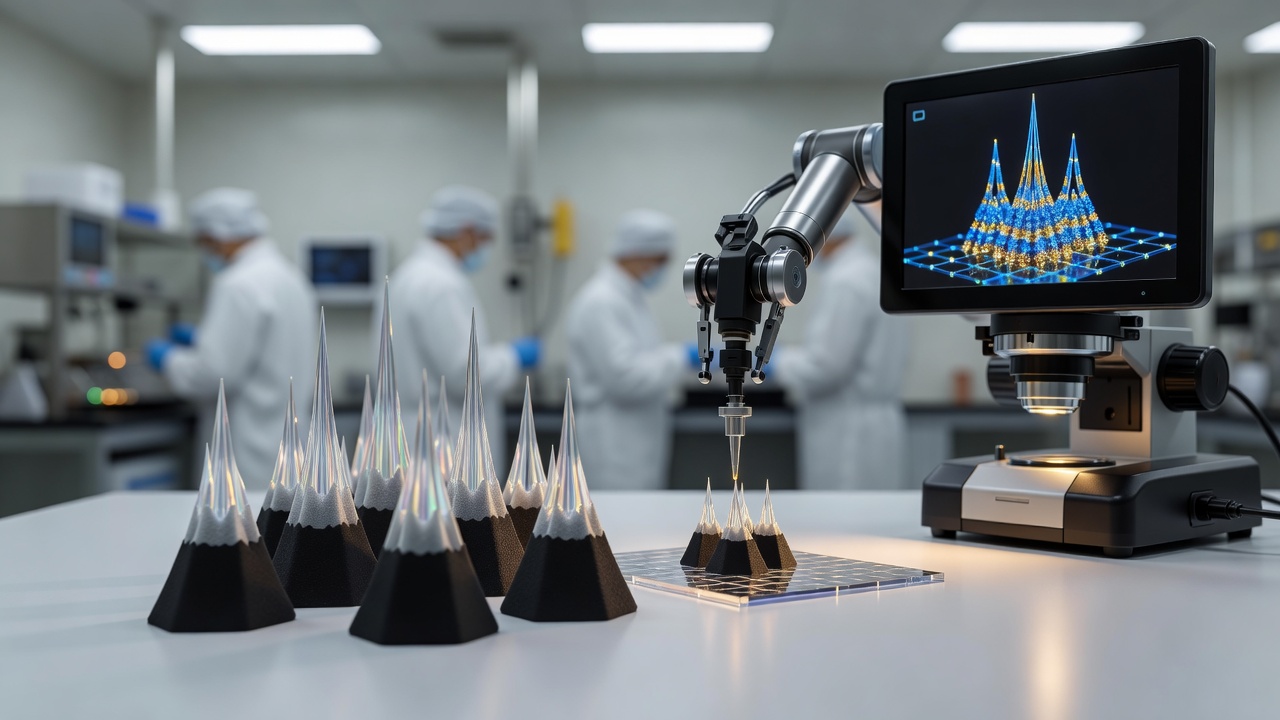
Nanosteeple involves the creation of miniature steeple-shaped formations at the nanoscale. These structures combine precise geometry with advanced materials to achieve specific functional properties. Researchers study them for their ability to influence light, energy flow, and surface interactions in controlled ways.
Basic Design Principles
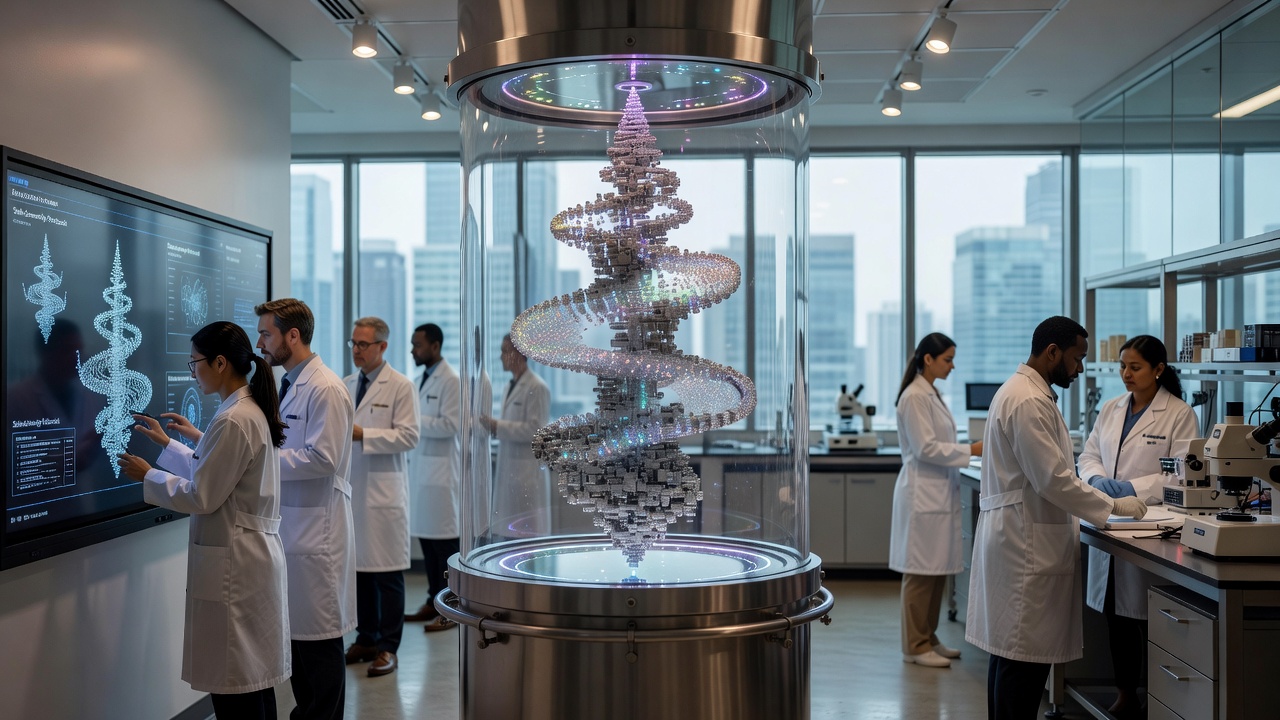
The typical nanosteeple features a tapered form that narrows from base to tip. This shape allows for efficient directional control of particles or waves. Materials such as silicon, carbon composites, or specialized polymers are commonly used. Fabrication often relies on techniques like electron-beam lithography or self-assembly processes. The height usually ranges from tens to hundreds of nanometers, while the base width stays proportionally larger to maintain stability. Surface coatings can further modify chemical reactivity or optical behavior without altering the core geometry.
Practical Applications
In energy systems, nanosteeple arrays help improve light absorption in solar devices by reducing reflection across multiple angles. Medical sensors use similar structures to increase surface area for biomolecule attachment, leading to higher detection sensitivity. Environmental monitoring equipment incorporates them to enhance pollutant capture rates on filter surfaces. Electronics manufacturers explore nanosteeple layers for better heat dissipation in compact circuits. Each application benefits from the repeatable, uniform shape that supports consistent performance at scale.
Maintenance and Considerations
Regular inspection under high-resolution microscopy helps confirm structural integrity over time. Cleaning protocols avoid abrasive methods that could deform the delicate tips. When integrating nanosteeple components into larger systems, alignment precision remains critical to preserve intended functionality. Ongoing material research focuses on increasing durability while retaining the original nanoscale advantages. These factors contribute to reliable, long-term use across different technical environments.